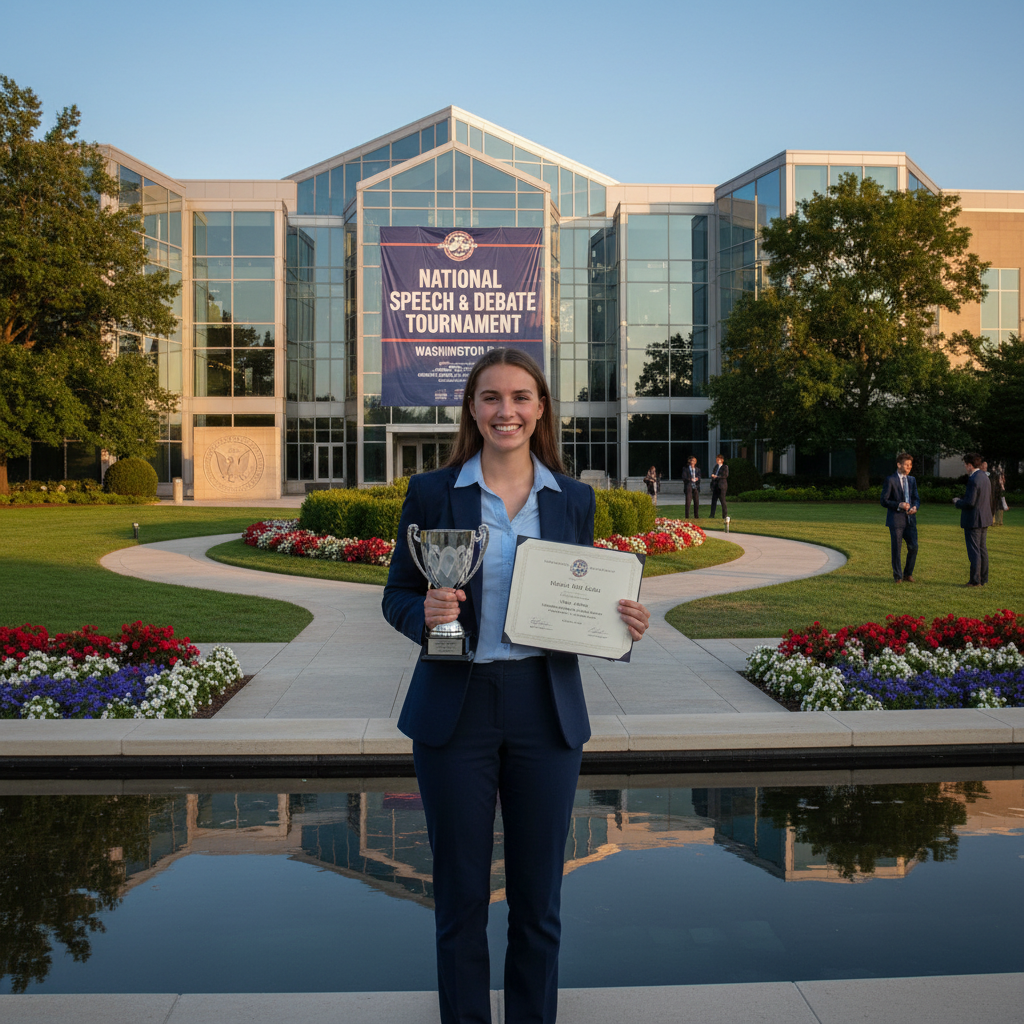

For millions of American high school students, the pressure to build a compelling college application can feel all-consuming. Beyond grades and standardized test scores, the choice of extracurricular activities has become a significant source of stress and debate for families navigating the competitive world of higher education. A central question in this landscape is the value of playing sports, particularly for students who are not elite athletes being actively recruited.
Across the nation, parents are weighing whether the time, energy, and financial investment in school sports translate into a tangible advantage in the admissions process. The discussion revolves around whether these activities are seen by colleges as essential for character development or are just another item on a long list of potential extracurriculars.
Online forums and parent groups are filled with these discussions, reflecting a national conversation. On one popular Washington D.C. area forum, a parent recently asked how important team sports were for their child's college outcome, not as a direct path to recruitment, but for the potential psychological and character-building benefits. The responses revealed a deep divide in parental opinion, mirroring the broader uncertainty felt by families everywhere.
The case for character and commitment
Many parents and educators argue that the benefits of high school sports extend far beyond the playing field and can be a powerful asset on a college application. The primary argument is that athletics, even at a non-varsity level, cultivates crucial life skills that admissions officers value. These include discipline, time management, resilience, and the ability to work as part of a team.
One parent in the online discussion noted that for their children, who did not attend Top 20 universities, sports were instrumental in building confidence and providing opportunities for leadership. Another pointed out that their child, who plays two sports seasonally at school, won sportsmanship awards, which they believed helped demonstrate a commitment to giving their all in every endeavor. This sentiment suggests that the recognition of character is just as important as athletic prowess.
Some see a direct link between the skills learned in sports and future academic success. One commenter believed the leadership experience gained through athletics was particularly helpful for their child's admission to business school. For some students, their athletic experience can even become the centerpiece of their personal narrative. One parent shared that their child wrote a compelling and successful college essay about their sport, a topic often considered cliché but which proved effective in their case.

Just another activity?
However, an equally strong sentiment among parents is that sports are not a silver bullet for college admissions and hold no special weight over other extracurriculars. In an era of holistic review, where admissions committees aim to evaluate an applicant as a whole person, the specific activity matters less than the level of passion and dedication shown.
Several parents shared experiences of their children gaining admission to highly selective universities, including Ivy League schools, without participating in traditional sports. Their children's friends at these institutions also largely came from non-athletic backgrounds. This highlights a crucial point for applicants: genuine interest in any field, whether it's theater, debate, music, or volunteer work, can be just as, if not more, impressive than lukewarm participation in a sport.
As one parent cautioned, sports are simply “one of many activities that kids participate in. It’s not given any added weight.” Another advised parents not to force their children into sports, emphasizing that the most important thing is for a student to be engaged in something they are genuinely interested in. This perspective aligns with advice from many college counselors who urge students to pursue their passions deeply rather than trying to check off a list of expected activities. The story of a student who was deeply involved in theater was presented as an equally valid path to developing valuable life experiences.
Beyond the application
The debate over sports is part of a larger national conversation about the purpose of extracurriculars and the pressures on today's students. The U.S. higher education system has become increasingly competitive, and the Education Department continues to see shifts in policy and focus, leaving many families anxious about the future. This is also true for families considering a move to a new city, such as in Moving to Cairns QLD: a local’s guide to suburbs, where life in the tropics presents unique considerations.
Ultimately, the consensus among many experienced parents is that the true value of high school sports may not be the line item on a college application but the intangible benefits it provides the student. The confidence gained, the friendships made, and the lessons learned about teamwork and perseverance contribute to a student's overall maturity and well-being.
While being a state champion or a recruited athlete can certainly open doors, for the vast majority of student-athletes, the impact is more subtle. It contributes to a portrait of a well-rounded, committed individual. For many students, these activities provide structure and an outlet from academic pressures, fostering personal growth that lasts long after acceptance letters are mailed. As one parent concluded, their children’s involvement in sports helped them find confidence and ultimately land at colleges where they wanted to be.