
The federal government has begun the monumental task of refunding approximately $166 billion in tariffs to American businesses, a move that follows a landmark Supreme Court decision earlier this year. U.S. Customs and Border Protection (CBP) initiated the first phase of its repayment process on Monday, opening a new online portal for importers to reclaim funds collected under a controversial Trump-era trade policy.
The refunds stem from tariffs imposed by the previous administration using the International Emergency Economic Powers Act (IEEPA). In a significant February ruling, the Supreme Court determined that the executive branch overstepped its authority, finding that the IEEPA did not grant the president the power to levy such taxes. The court affirmed that the authority to impose tariffs lies exclusively with Congress, effectively invalidating the legal basis for the duties.
This decision set off a chain reaction in the lower courts, culminating in a directive from the U.S. Court of International Trade. The court ordered CBP to reverse the tariffs and repay all duties collected, including accrued interest. The repayment process is expected to provide a significant infusion of capital back into the hands of hundreds of thousands of American companies that paid the tariffs on imported goods.
A 'historic' legal reversal
The tariffs were a cornerstone of the Trump administration's aggressive trade agenda, intended to apply economic pressure on other nations. However, the use of the IEEPA, a law typically reserved for national security crises, drew immediate legal challenges. Importers and business groups argued that the administration's application of the act to impose broad tariffs was an unconstitutional expansion of presidential power.
The legal battles worked their way through the federal court system for years, creating uncertainty for businesses across the country. The Supreme Court's decision provided a definitive answer, reinforcing the constitutional separation of powers regarding taxation and trade. The ruling clarified the limits of executive authority under the IEEPA, a law that has been used by presidents for decades to sanction foreign adversaries.
The verdict was seen as a major victory for importers and a powerful check on executive overreach in the realm of international trade policy. Following the ruling, President Trump expressed his disappointment and vowed to find alternative methods to pursue his trade objectives, but the legal path for these specific tariffs was closed. The case underscores the delicate balance between the executive and legislative branches in controlling the flow of commerce, a topic of ongoing debate in Washington, much like the ongoing discussions surrounding Australia's fuel reserve policies.
Unprecedented scale of refunds
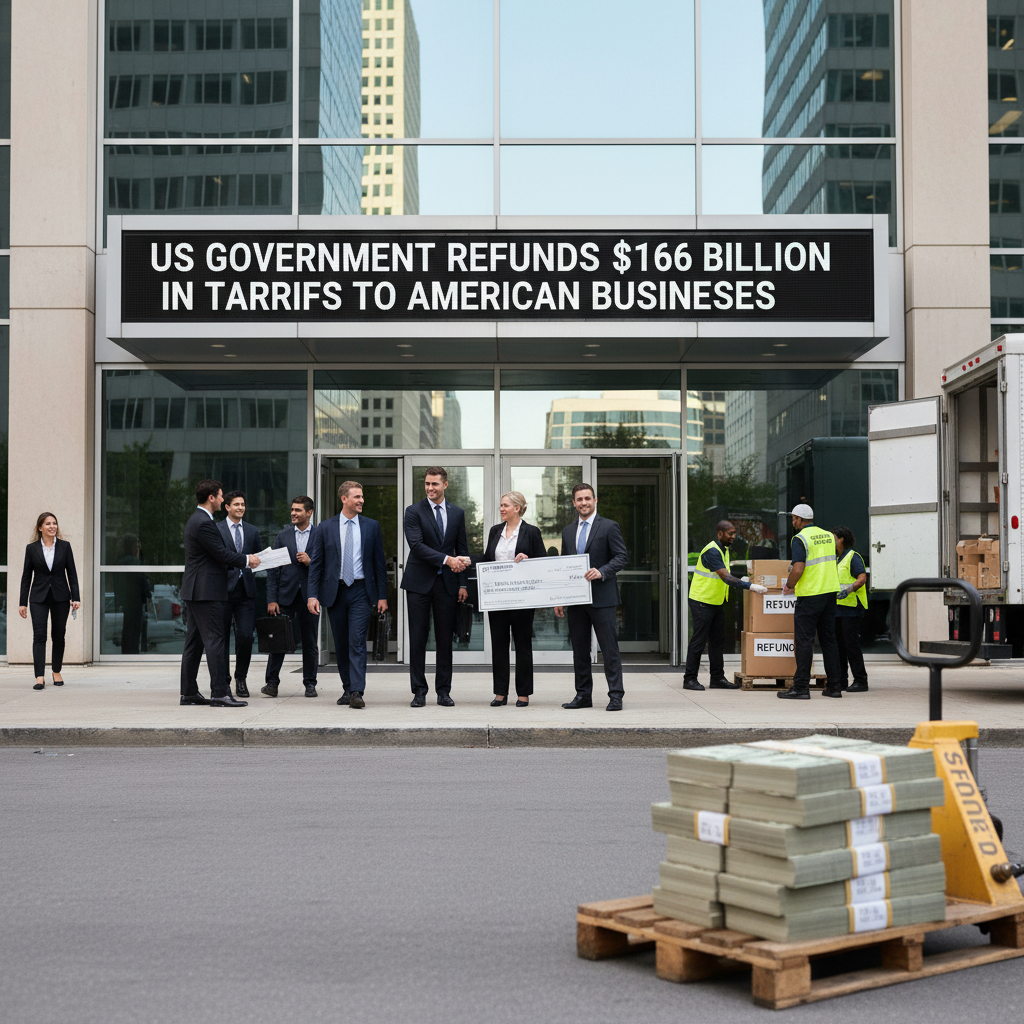
The sheer scale of the repayment operation is immense. According to court documents, more than 330,000 importers paid duties on over 53 million separate shipments, amounting to the $166 billion total. The complexity of unwinding these transactions has been described by CBP officials as “unprecedented.”
To manage the process, the agency developed a new tool called the Consolidated Administration and Processing of Entries (CAPE), which is integrated into its existing Automated Commercial Environment (ACE) portal. Starting at 8 p.m. Eastern time on April 20, companies and their customs brokers were able to begin submitting declarations that list the specific import entries for which they are seeking refunds. These online tools are part of a broader federal push to digitize record-keeping and public access. For more information on similar initiatives, see Digital Tools Transform Public Access to DC Court Records.
Once CBP validates a claim, it will recalculate the duties owed without the now-invalidated IEEPA tariffs and “reliquidate” the entry, which triggers the refund payment. The agency has stated that it expects to issue most valid refunds within 60 to 90 days of a claim's acceptance. However, officials have cautioned that more complex cases may require additional time and manual processing, given that the existing systems were not designed to handle such a massive volume of repayments.
Economic implications for American industries
The refund of $166 billion represents a substantial financial tailwind for American businesses across a wide range of sectors, from manufacturing and retail to technology and agriculture. For years, these companies either absorbed the cost of the tariffs, cutting into their profit margins, or passed the expense on to consumers in the form of higher prices. The return of these funds is expected to boost liquidity, encourage new investment, and potentially ease some inflationary pressures.
The original imposition of the tariffs had a noticeable impact on business confidence, a factor often tracked by the Federal Reserve's Beige Book. The protracted legal battle and the associated costs created a volatile and unpredictable environment for companies engaged in global trade. The conflict in the Strait of Hormuz and other geopolitical tensions have also kept global markets on edge, further complicating international supply chains.
The repayments are being sent directly to the businesses that originally paid the duties, ensuring the funds return to the primary importer of record. This systematic unwinding marks a significant reversal of a policy that had broad and often disruptive economic consequences. As businesses begin to receive these long-awaited funds, analysts will be watching to see how the capital is deployed and what effect it has on the broader U.S. economy. The process is a critical first step in closing a contentious chapter in American trade policy, with the final payments expected to be processed over the coming months.