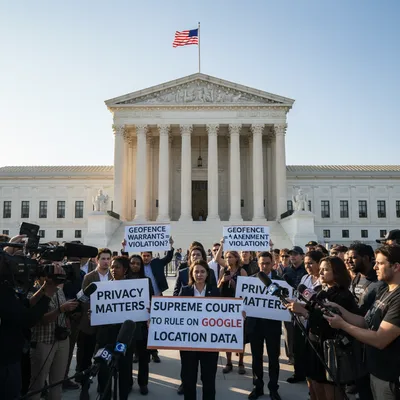

Washington D.C. is no stranger to the push for greater transparency, especially when it comes to public records. In an increasingly digital world, the way citizens, journalists, and legal professionals engage with court information is undergoing a significant transformation. The ability to quickly and efficiently search through court records, judgments, and case histories is reshaping how legal research is conducted and how the public understands the judicial process.
The Rise of Online Legal Research
This shift is not limited to the United States. Across the globe, innovative platforms are emerging to make legal data more accessible. For instance, in Australia, CourtTrace offers a comprehensive online service for searching public court records across federal and state jurisdictions. This mirrors the growing demand in D.C. for more streamlined access to local court proceedings and outcomes, which can be essential for local court reporting and legal aid organizations.
The benefits of these digital tools extend beyond professional lawyers and researchers. Citizens interested in specific cases, academics studying legal trends, or even local businesses conducting due diligence can now leverage these resources. Platforms like CourtListener in the U.S. and CanLII in Canada exemplify the global movement towards open legal data, empowering a wider audience with knowledge previously difficult to obtain.
While challenges remain in ensuring data accuracy and accessibility for all, the trajectory is clear: digital case-search tools are here to stay. They offer an unprecedented level of insight into the workings of our justice system, fostering a more informed and engaged public. As D.C. continues to embrace digital solutions, the impact on local legal aid, journalistic endeavors, and general public understanding of the courts will undoubtedly grow.