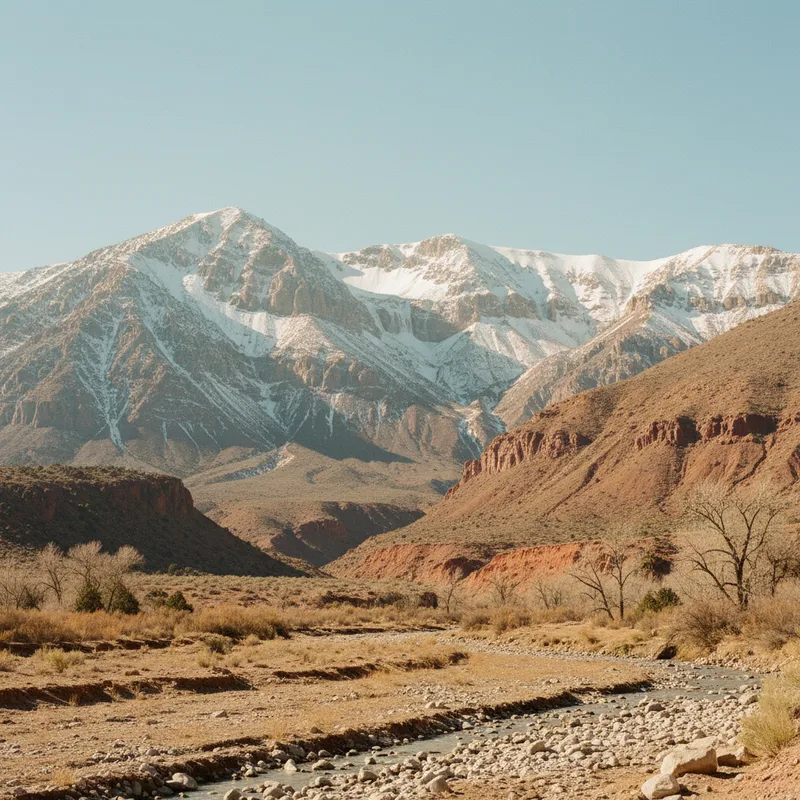
Utah is confronting a summer of unprecedented water scarcity as a record-low snowpack, which provides about 95% of the state's water, has already melted weeks ahead of schedule. State water managers are now warning of a "dire water supply situation" that will force a heavy reliance on reservoirs and could trigger widespread water restrictions and a more intense wildfire season across the West.
In what would typically be the start of the spring runoff season, officials at the Utah Division of Water Resources confirmed Thursday that the peak melt has already passed. The state’s snowpack, a crucial natural reservoir that stores winter precipitation and releases it slowly, peaked on March 9 at just 8.4 inches of snow water equivalent. roughly half the normal amount and more than three weeks earlier than usual. The early and diminished runoff threatens the water supply for millions of residents, farms, and industries.
The crisis is the result of a "double-whammy" of record-low snowfall and record-high temperatures. Utah experienced its warmest winter on record, with temperatures soaring 2.2 degrees above average. In Salt Lake City, the previous record was shattered by more than 7 degrees. This heat prevented the accumulation of a healthy snowpack and accelerated its disappearance, a situation officials say has pushed the state into "uncharted territory."
'This is uncharted territory'
Systematic snowpack records in Utah date back to the 1930s, first with manual measurements and later with automated SNOTEL stations. Across nearly a century of data, the state has never seen an April 1 snowpack as low as this year’s. This historical context underscores the severity of the current drought, which is affecting the entire state.
This is uncharted territory.
As of late April, 100% of Utah was under some level of drought, with nearly 60% experiencing "extreme drought" conditions. According to Jordan Clayton, data collection officer supervisor for the Utah Snow Survey, the combination of low precipitation and high heat has created a critical situation. "Everybody needs the water," Clayton said in a video from the Utah Department of Natural Resources. "So we just need to be really careful about how it gets used this year.” The implications extend far beyond Utah's borders. The state is a key headwater for the Colorado River Basin, which supplies water to 40 million people in states like Nevada, Arizona, and California. Calgary, for instance, faces similar water-use challenges, as Calgary faces heavy snow, plunging temperatures in weather warning. The Natural Resources Conservation Service forecasts that natural inflows from the Colorado River into Lake Powell, a critical reservoir for the region, will be just 40% of their normal volume this year, further straining a system already stressed by decades of overuse and climate change.
Widespread water shortages loom
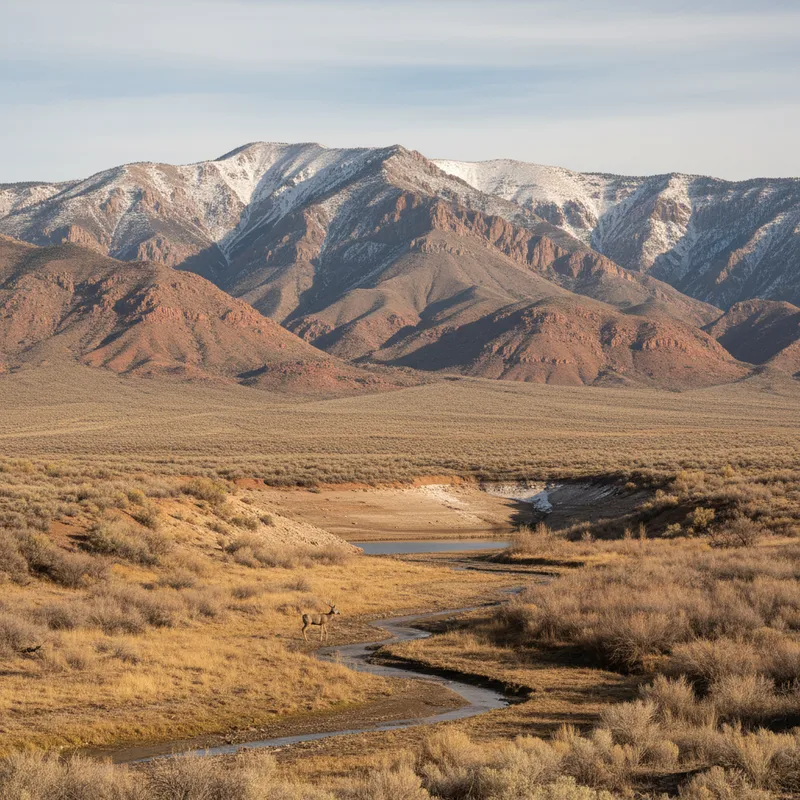
The consequences of the diminished snowpack are stark. Statewide streamflow runoff is projected to be only 50% of normal. The state's April 1 Water Supply Outlook Report revealed that every major basin in Utah had record-low snowpack, and some were almost completely melted out. Officials forecast that 12 of Utah's 19 major basins will see summer water supplies in the bottom 10% of historical observations, with some falling into the bottom 5%.
While Utah’s larger reservoirs, which hold multiple years of water, are in better condition, smaller reservoirs that depend on annual runoff are struggling. Statewide, reservoir storage was at 72% capacity as of April 23, down from 82% at the same time last year. This reliance on stored water highlights the lack of a buffer from the failed snowpack.
State officials are now formally asking local governments to prepare for the worst. "We are asking county leaders to coordinate with water providers and review drought contingency plans and consider if a county-specific drought declaration is warranted,” said Joel Ferry, executive director of the Utah Department of Natural Resources, in a recent drought update. While any potential water use restrictions are decided at the local level, the state’s Drought Response Committee could recommend a statewide drought declaration to Gov. Spencer Cox if conditions continue to deteriorate. Such declarations, which open access to state resources and funding, can be a vital tool in managing crises, similar to how digital tools have transformed public access to court records by making critical information more available.
Heightened wildfire risk
The dry conditions also set the stage for a dangerous and potentially prolonged wildfire season. The early snowmelt leaves forests and grasslands drier for a longer period, creating more fuel for fires. Bradley Washa, a wildfire specialist with Utah State University Extension, warned in March that the combination of a warm winter and low snowpack could lead to an earlier and more intense fire season.
This threat is not just a local issue. Wildfires in one part of the West can spread smoke and impact air quality for thousands of miles, affecting communities across the nation. The aridification of the West, driven by climate change, has made these large, intense fires a regular summer feature, and 2026 is shaping up to be particularly challenging for Utah and its neighbors.
In response to the escalating crisis, state leaders are directing residents and agricultural producers to conservation programs. The Utah Department of Natural Resources is promoting its Agricultural Water Optimization Program for farmers and the "Slow the Flow" campaign for residential water users. The efforts are a reminder that in a drought this severe, every drop counts. The long-term health of the region, from its agricultural economy to its growing cities, depends on careful stewardship of a resource that is becoming increasingly scarce.